
How to Treat Lateral Leg and Knee Pain with Dr. Tan's Balance Method: A Multi-Meridian Case Study
An 80-year-old man walks into our clinic with two complaints, both on the right side. Shooting pain down the outer side of his leg, and pain in his knee. He rates the leg an 8 out of 10, the knee a 5. Two problems, one leg, one session. Let's map it.
The outer leg pain runs along the Gallbladder (GB) meridian. The knee pain tracks through Liver (LIV) and Spleen (SP). That's a classic multi-meridian presentation — more than one channel involved, each needing its own treating meridian. You don't average them. You map each one, then you balance each one.
Patient Profile
| Age | 80-year-old male |
| Complaint | Shooting pain along the outer leg, plus knee pain — right side |
| Meridians involved | Gallbladder (leg) · Liver and Spleen (knee) |
| Pain level | Leg 8/10 · Knee 5/10 |
| Pattern | Multi-meridian — two channels, two systems, one treatment |
Why This Is a Multi-Meridian Map
One complaint, one meridian, one treating channel — that's the simple case. This wasn't that. The outer leg is Gallbladder territory. The knee sits where Liver and Spleen run. Two separate maps in the same limb.
Here's the temptation: pick the loudest pain and hope the rest follows. It won't. Each meridian needs its own sick-meridian diagnosis and its own treating channel from the matrix. The good news: you'll treat both in a single session. You just need the right system for each.
The Treatment
Step 1: Map the pain
Outer leg pain along the Gallbladder meridian. Knee pain on the Liver meridian, with Spleen nearby. Right side. That's your map — two channels, clearly drawn. Let's go.
Step 2: Pick the systems
Gallbladder and San Jiao (SJ) are System 1. So SJ on the left arm reaches the outer-leg pain directly — arm treats leg, opposite side. For the knee, Liver is treated by Large Intestine (LI) via System 2. Two different systems, one treatment. That's the part practitioners hesitate on: you don't have to keep the whole session inside one system. Match each meridian to its best treating channel and run them together.
Step 3: Needle
SJ 12 to SJ 13.8 for the leg. LI 10 to LI 11 for the knee. We needled semi-deep at the knee points and deeper along the leg, palpating for the ashi rather than aiming for textbook locations.
The leg pain dropped from 8 out of 10 to 3. A strong move in one pass. But the knee? From 5 to 4. Not far enough. So we chased it.
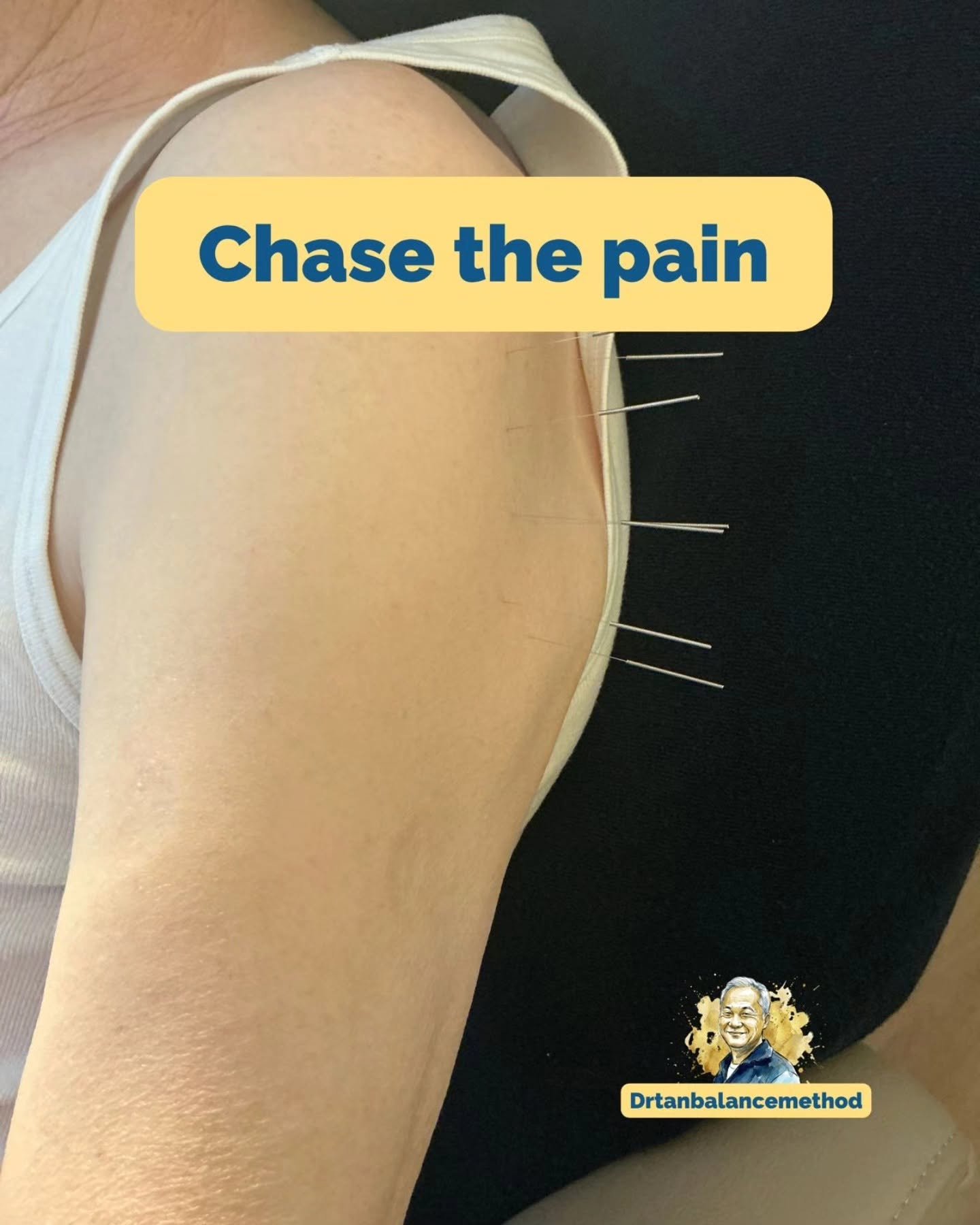
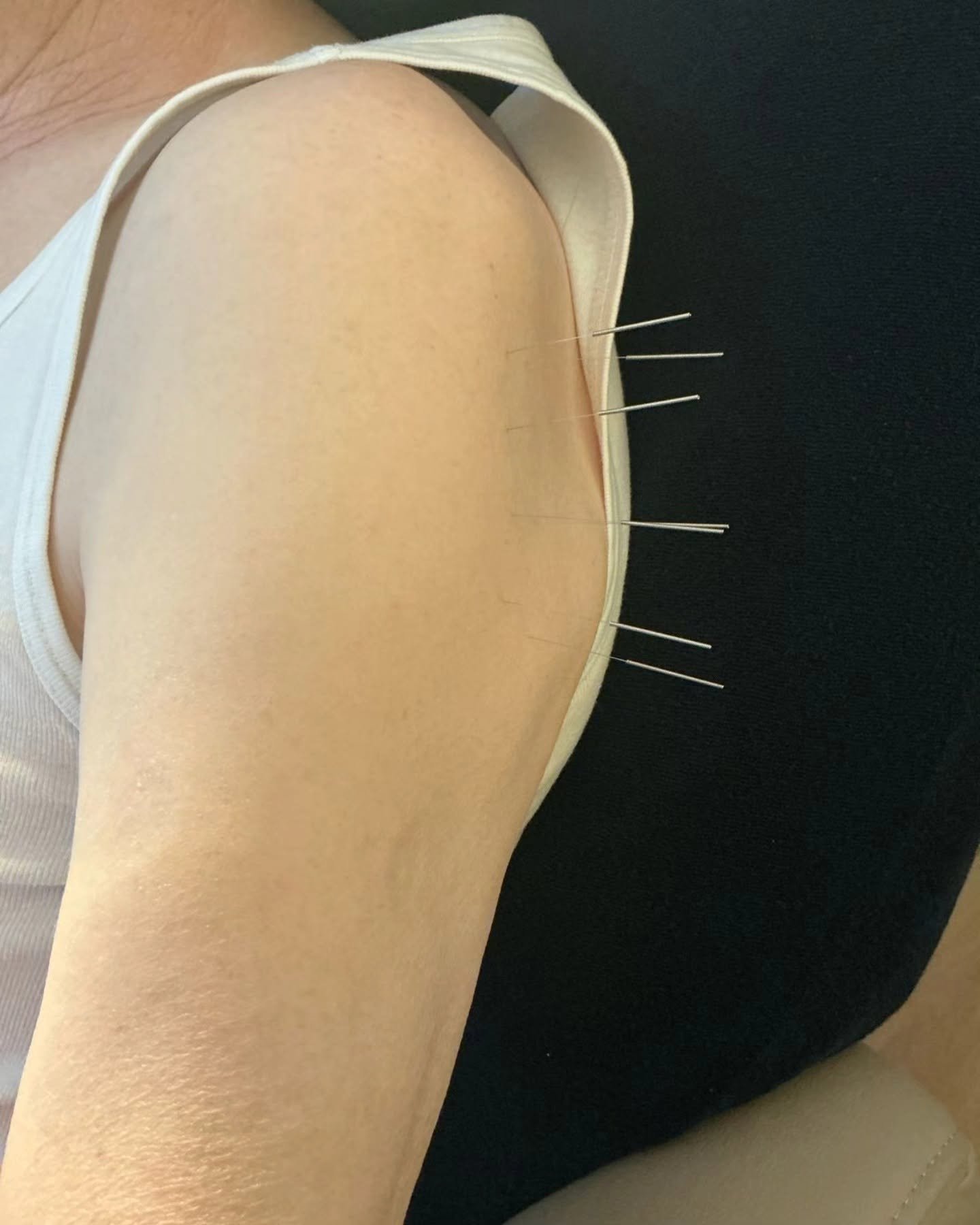
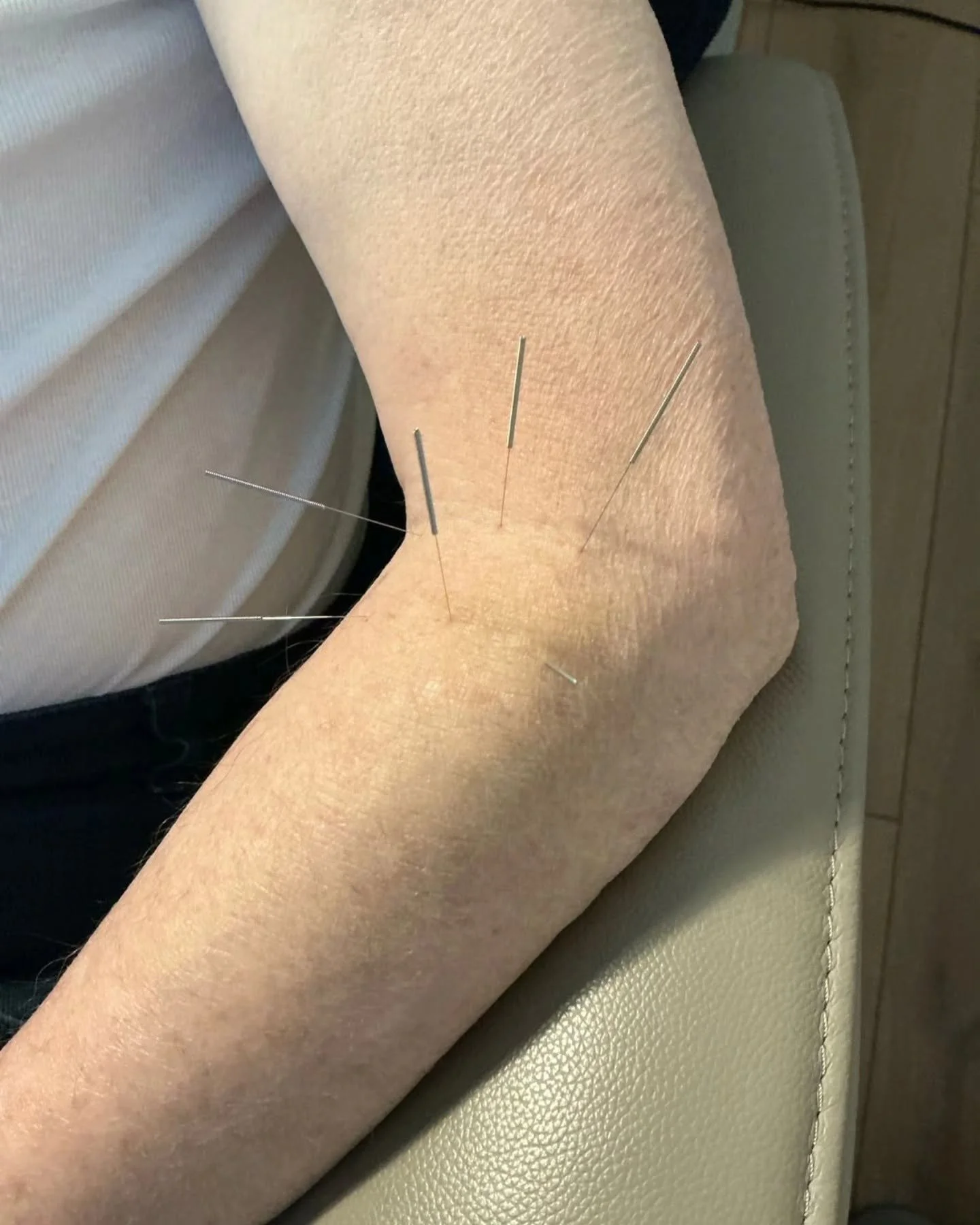

The Chase — When 4/10 Isn't Good Enough
Four out of ten isn't a result. It's a signal that something's still unbalanced. So we re-evaluated the knee and needled a point between the Lung and Large Intestine channels. Another drop.
Still not there. We asked the patient where it sat now. He pointed to a remaining ache along the Spleen meridian — a layer that only surfaced once the louder pain was gone. So we followed that signal and needled LU 5 to LU 5.2.
Pain level: 1.5 out of 10. Done. The patient's feedback wrote the second half of that treatment — every time he said "it moved," that was the next instruction.
Outcome
One session. The leg came down from 8 to 3. The knee, with the chase, settled at 1.5 out of 10 by the end of the treatment. Two meridians, two systems, and a handful of follow-up needles that the patient pointed us toward himself.
The Insight: The Pain Is Data
When the pain moves, that's not a failure. It's the next layer talking. Clear the loudest signal and a quieter one finally announces itself — and the patient is the one who can hear it first. "It moved to here" isn't a complaint. It's your diagnosis for the next needle.
The Balance Method rewards the practitioners who really listen. Re-evaluate after every needle. Adapt after every re-evaluation. This isn't a recipe you run top to bottom — it's a thinking framework, and the body keeps showing you what's next. That's the chase: you don't stop at the first good number, you follow each report of movement to the next meridian.
Notice what made this work: two systems in one session. System 1 carried the leg, System 2 carried the knee, and the chase ran across Lung, Large Intestine, and Spleen as the picture changed. You're not locked into one system per treatment. You're following the meridians, wherever they lead.
What to Watch For With Multi-Meridian Cases
1. The leg and the knee were never one problem
The leg and the knee were never the same problem. Clear the Gallbladder pain and the Liver knee is still right there. Map every meridian before you decide the session is finished.
2. A small drop isn't the finish line
The knee moved from 5 to 4 and it would've been easy to leave it. Don't. A small drop usually means you're close, but it doesn't mean you're done. Chase the remainder — the next point is often one channel away.
3. "It moved" is data, not noise
When a patient says the pain shifted, that sentence is the most useful thing you'll hear all session. It's not noise. It's the body pointing at the next sick meridian. Follow it.
Apply This in Your Practice
Map every meridian before you needle anything. When more than one channel is involved, write the full map first. Outer leg is Gallbladder, the knee is Liver and Spleen — two maps, not one average.
Mix systems freely in one treatment. System 1 for the leg, System 2 for the knee. You don't owe the matrix consistency — you owe the patient the best treating channel for each meridian.
Treat the patient's feedback as live diagnostics. Re-check after every needle, and chase until they confirm the number is down. The patient saying "the pain moved" is the single most reliable instruction you'll get in the room.
Quick Reference: This Case
- Outer leg pain → Gallbladder meridian · knee → Liver and Spleen
- GB and SJ are System 1 → SJ 12 to SJ 13.8 (left arm) for the leg
- Liver via System 2 → LI 10 to LI 11 for the knee
- Leg 8/10 → 3/10 · knee 5/10 → 4/10, then chased
- The chase → point between LU and LI, then LU 5 to LU 5.2 for the Spleen signal → 1.5/10
- When the pain moves → that's data, not failure — re-diagnose and follow it
Note: Patient details have been adapted from comparable cases in our clinic to protect privacy. This post is for educational purposes only — for acupuncturists and interested professionals. Not treatment advice or a substitute for professional consultation.
Want the Complete Reference?
Every System, Every Projection, Every Pattern at Your Treatment Table
The Balance Method Notebook gives you the complete Local and Global Balance reference. The new Meridian Conversion specialization goes deeper: master the tools to calm the Shen, balance hormones, and treat depression, addiction, and insomnia. Every pattern, every gua structure, every conversion — mapped and hand-drawn for the treatment table.
Explore the Notebooks →balancemethodnotebook.com
Next Steps
This case applies foundational concepts from our pillar guides. To go deeper:
For the diagnostic foundation: how to diagnose the sick meridian
For the six systems framework: The 6 Systems explained
For a single-meridian knee case: Knee Pain and the Balance Method
For Local vs Global decisions: Global vs Local Balance
For point selection technique: How to find the ashi point
For the complete matrix reference: Balance Method Matrix
To watch treatments in action: Needling Demos
To discuss cases with 7,000+ colleagues worldwide: Practitioner Community
New to the terminology? See the Balance Method Glossary for every core term in one place.
