
How to Support Kidney Function with Dr. Tan's Balance Method: A Meridian Conversion Case Study
A 72-year-old woman comes to our clinic, and her concern isn't something she can feel. At her last routine check, her doctor's bloodwork showed her kidney filtration rate had slipped below 60. Nothing alarming enough for medication — the plan was to monitor and repeat the test. But she felt fine, and that was exactly what unsettled her: a number moving in the wrong direction, with nothing to feel and nothing to do. She wanted to know whether Dr. Tan's Balance Method could support her. Let's map it.
There was no painful point to chase here, and no channel to trace. What she brought us was the function of an organ — the kidney — expressed as a lab value. That changes the entry point: you don't map a location, you support a function.
Patient Profile
| Age | 72-year-old female |
| Reason for visit | No pain — kidney filtration rate flagged below 60 on routine bloodwork |
| Meridians involved | Kidney (with Bladder and Heart) |
| Pattern | Global Balance — Shaoyin Taiyang (organ function) |
| Approach | Meridian Conversion III/VI — eight points |
Why This Is an Organ-Function Case
One complaint, one meridian, one treating channel — that's the simple case. This wasn't that. There was no pain to map and no pathway to trace. The target was the function of an organ.
Here's the distinction that drives the whole treatment. Conventional Balance Method maps a complaint onto a meridian pathway and balances it. Meridian Conversion goes one step further: by needling specific lines of each hexagram, it lets us reach the function of an organ — not only the pathway that runs along it. When the concern is what an organ does rather than where it hurts, that's the tool you reach for.
The Treatment
Step 1: Read the picture
No painful point, no radiating line, no channel to palpate. What the patient brought us was the function of an organ — the kidney — expressed as a lab value rather than a symptom. So the mapping starts at the kidney itself, and at the meridians that sit alongside it in a single, coherent pattern.
Step 2: Choose the pattern
Because this is about organ function, we ran it through Meridian Conversion as a Global Balance — a Shaoyin Taiyang pattern: Heart, Small Intestine, Bladder and Kidney. It works the kidney in its function, covers the Bladder (the location of the kidney and the water element), and brings in Heart and Small Intestine for the fire element — pairing water and fire in one balanced system. For this patient, that was the indicated pattern.
Step 3: Needle
Meridian Conversion III/VI: on each meridian you needle the third line, or Yao, and the top (sixth) line. Eight points in total.
Heart 3 and Heart 7. Small Intestine 3 and Small Intestine 8. Bladder 65 and Bladder 40. Kidney 3 and Kidney 10.
With those eight points you tune the full pathway of each meridian, the meridians they balance, and the function of the organs behind them. Clean and structured — one pattern, eight needles, the whole regulating system addressed.
Standard Balance Method — when there's a pathway to map: a painful spot, a meridian lighting up, a location you can chase and confirm.
Meridian Conversion — when the target is the function of an organ (or the Shen) rather than a pathway: nothing to palpate, but an organ system to support.
The full breakdown lives in our Meridian Conversion guide.
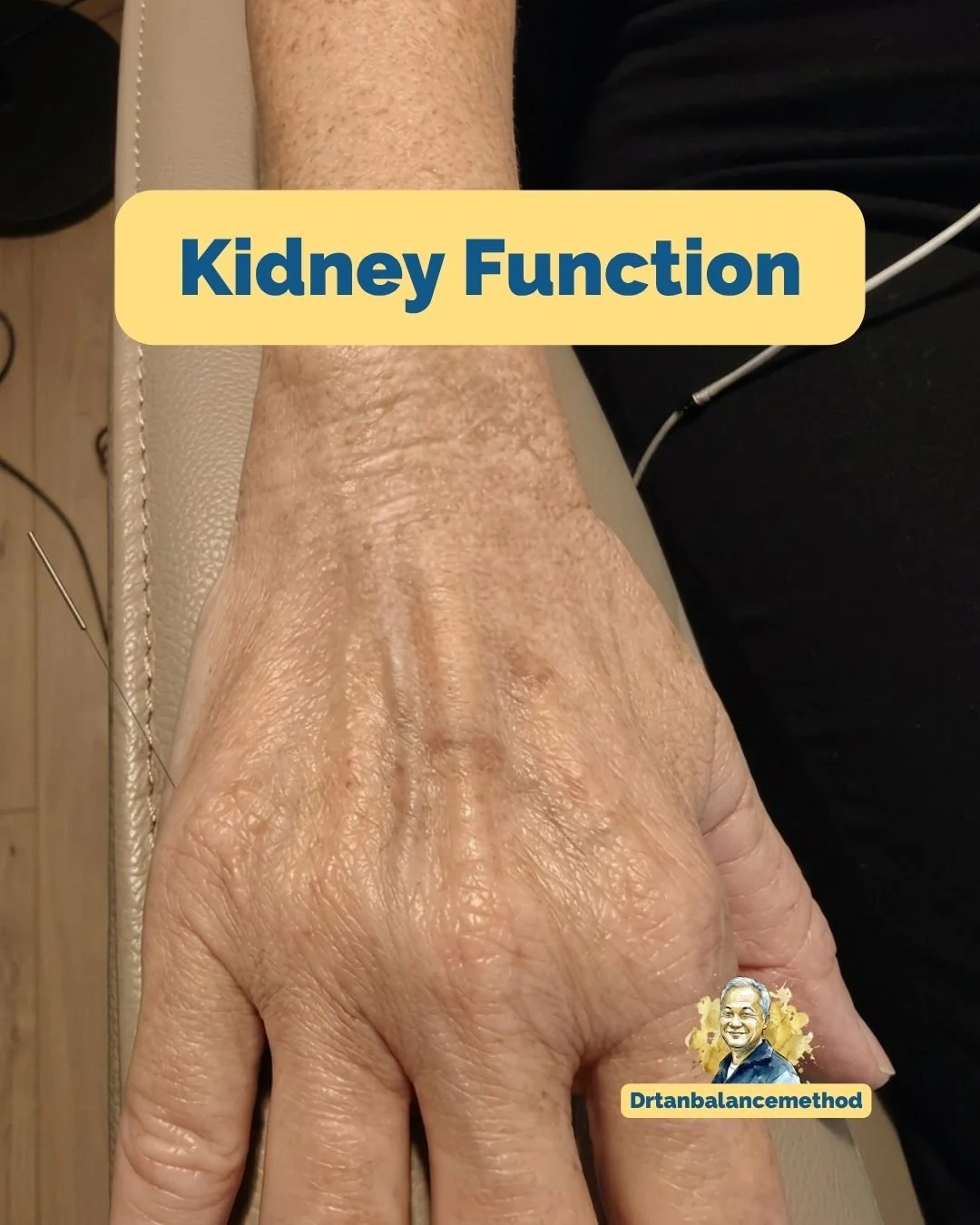
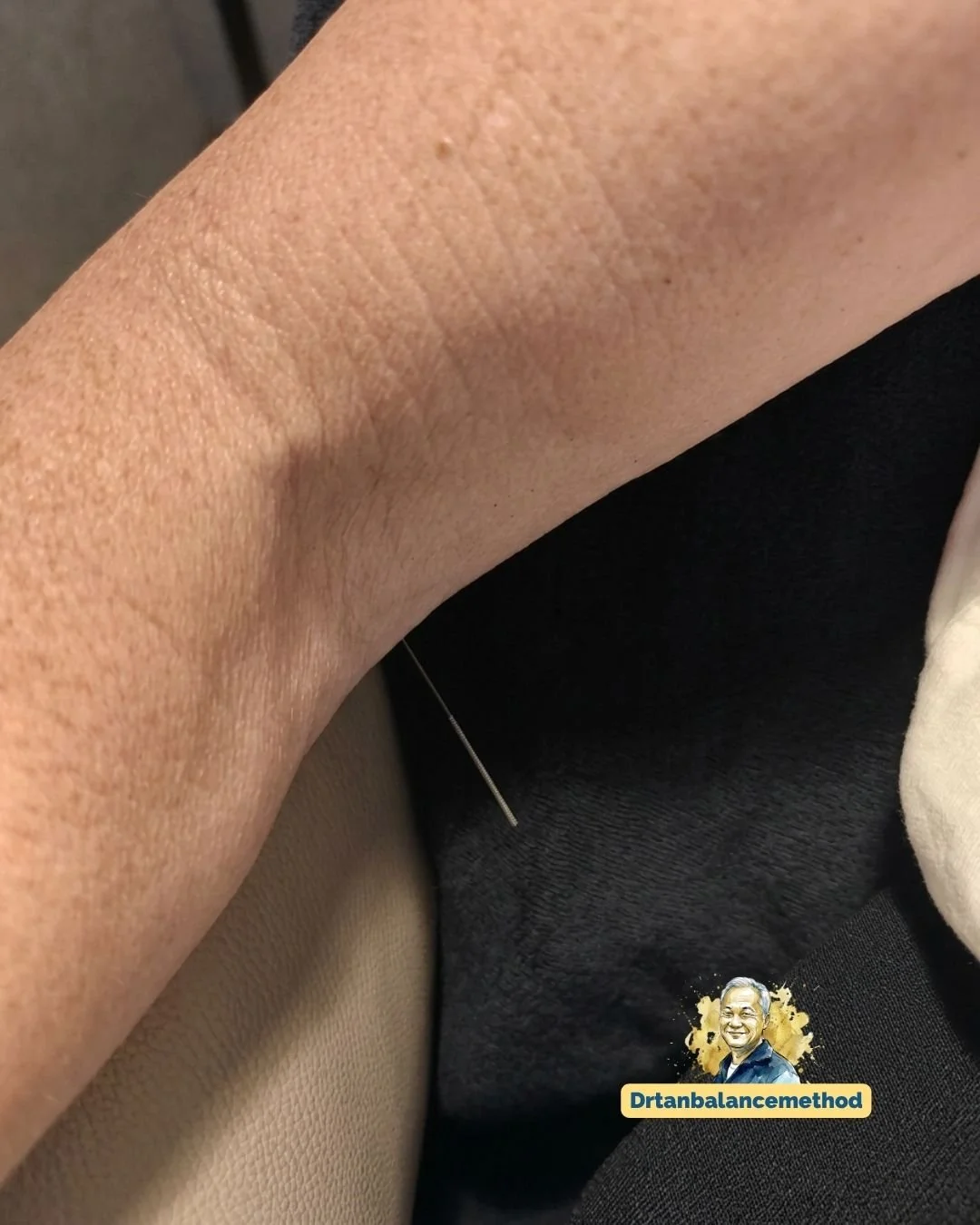
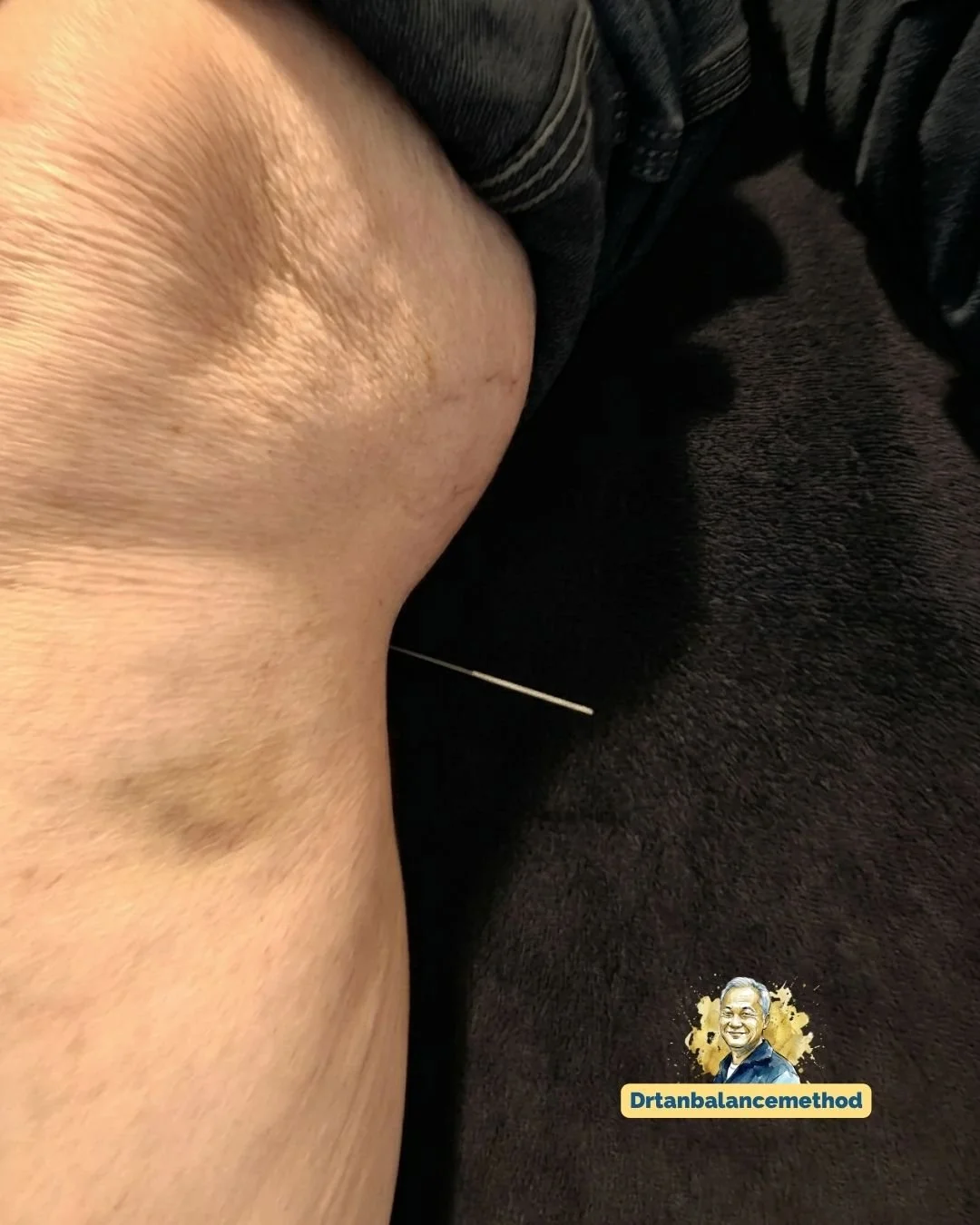
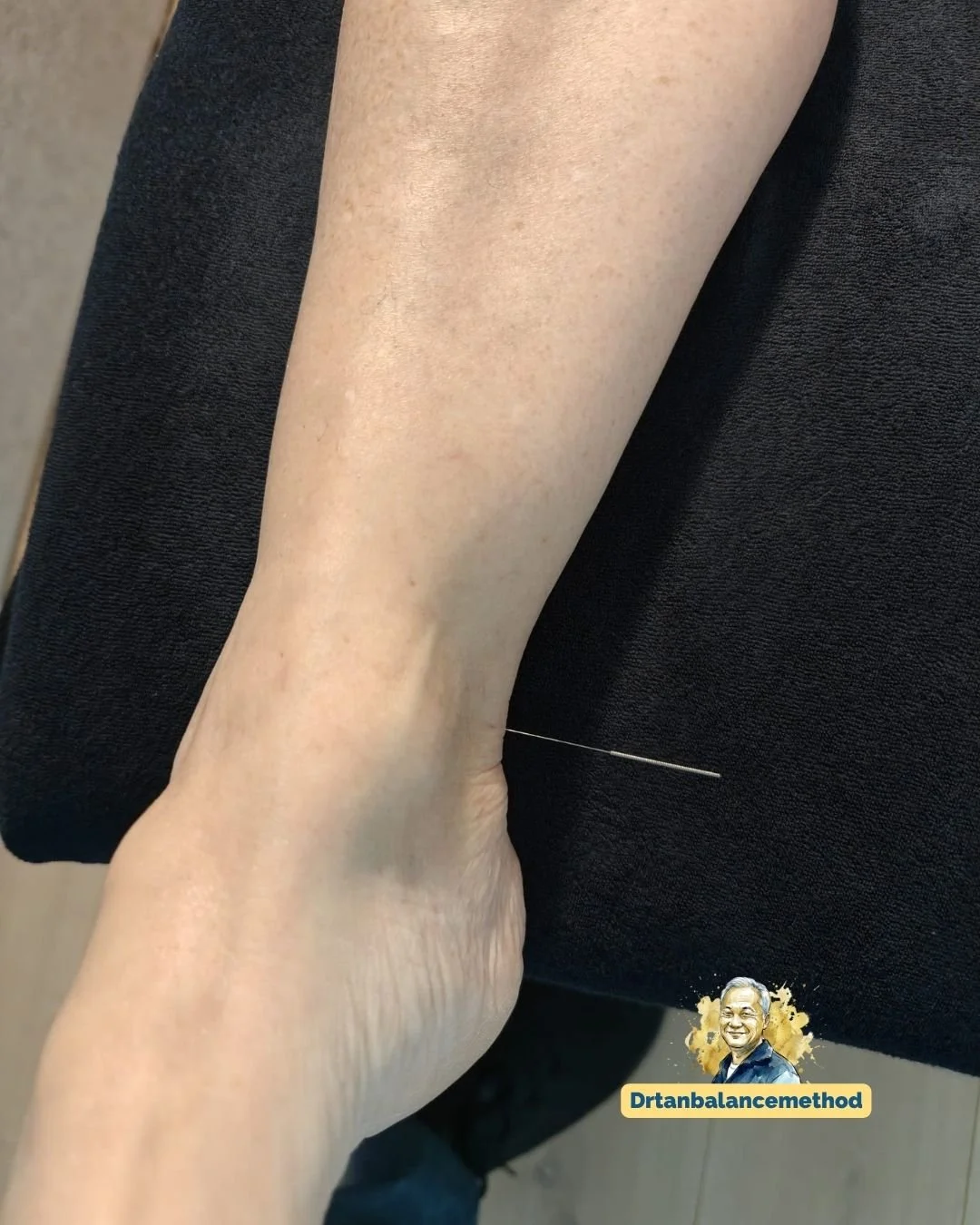
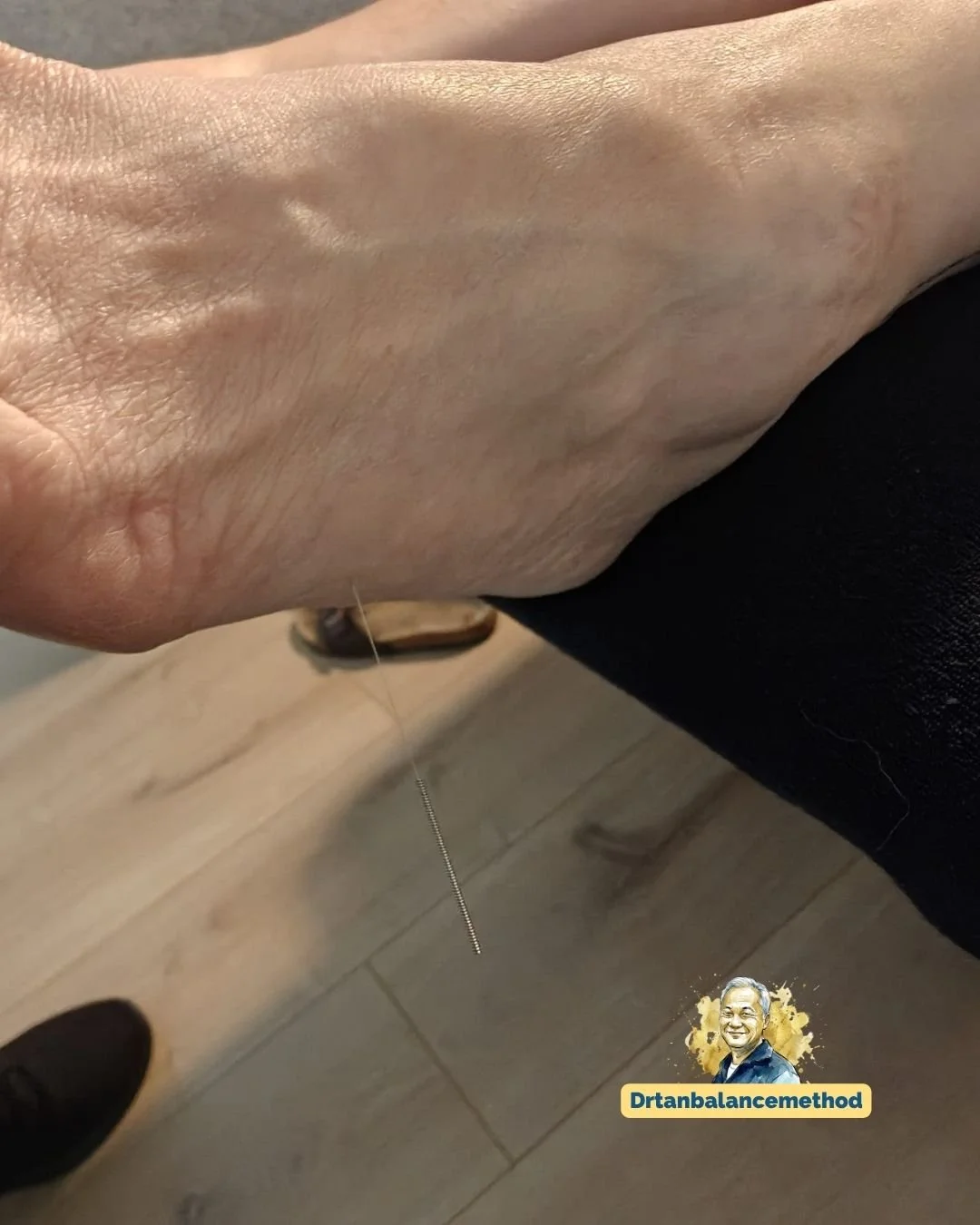
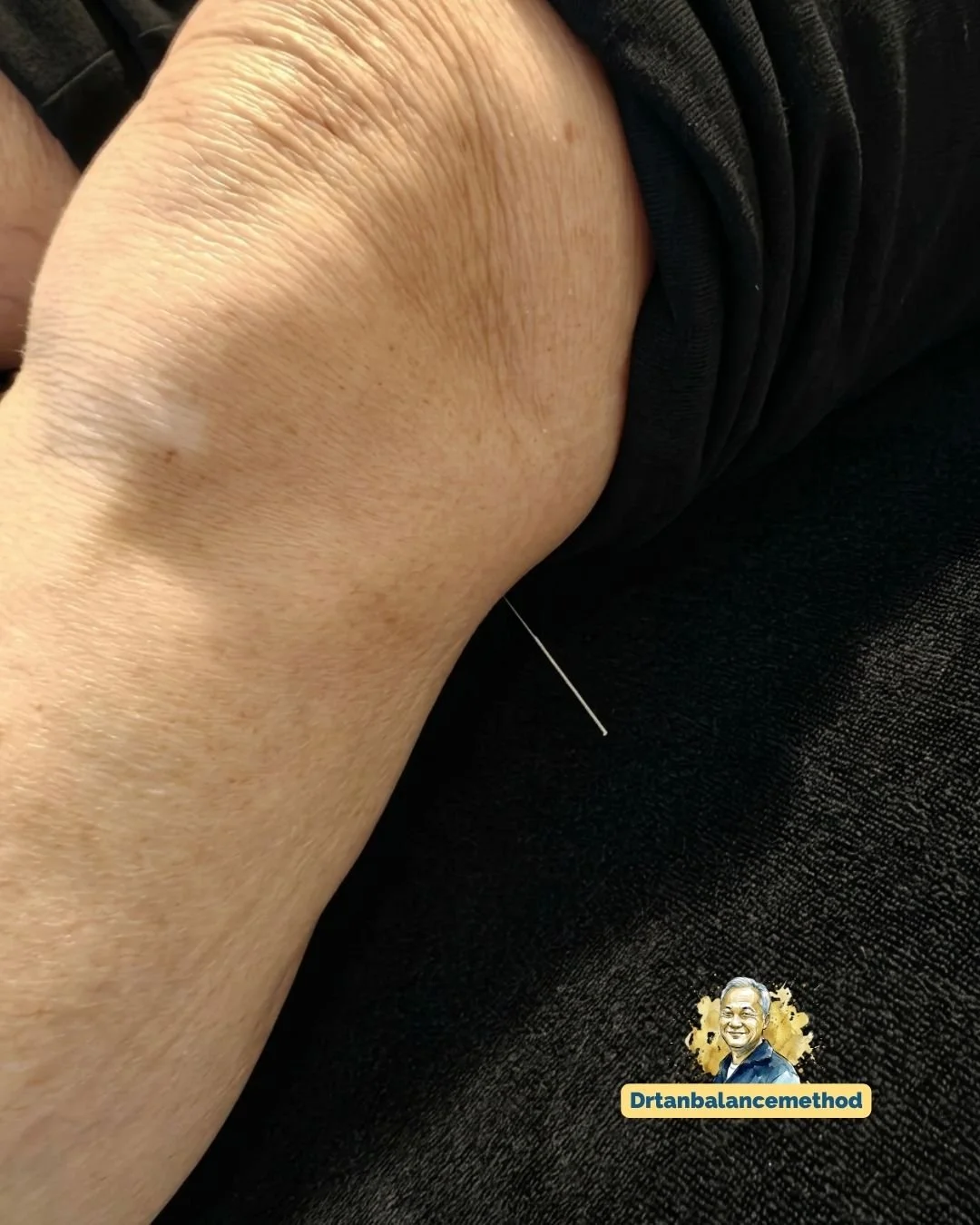
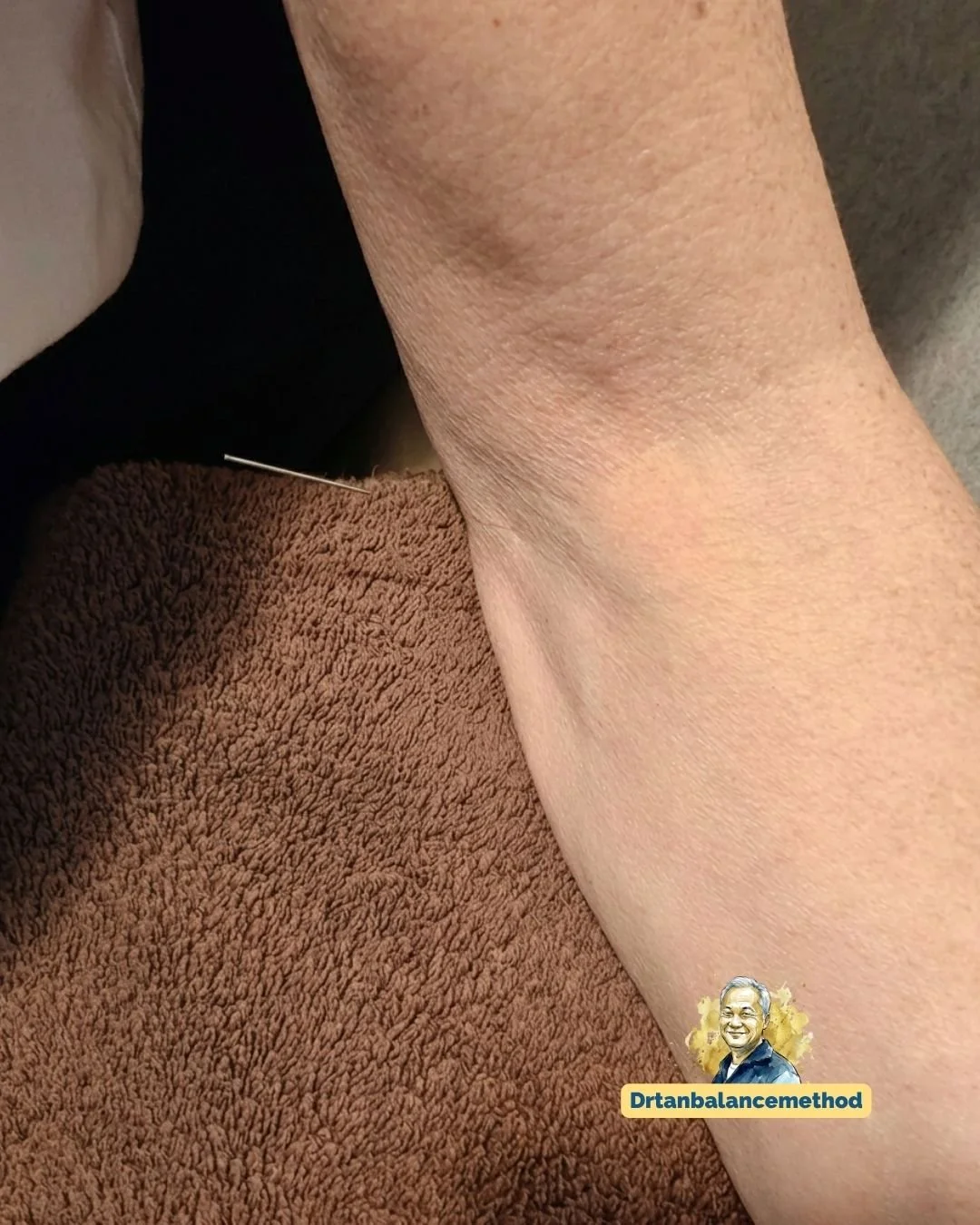
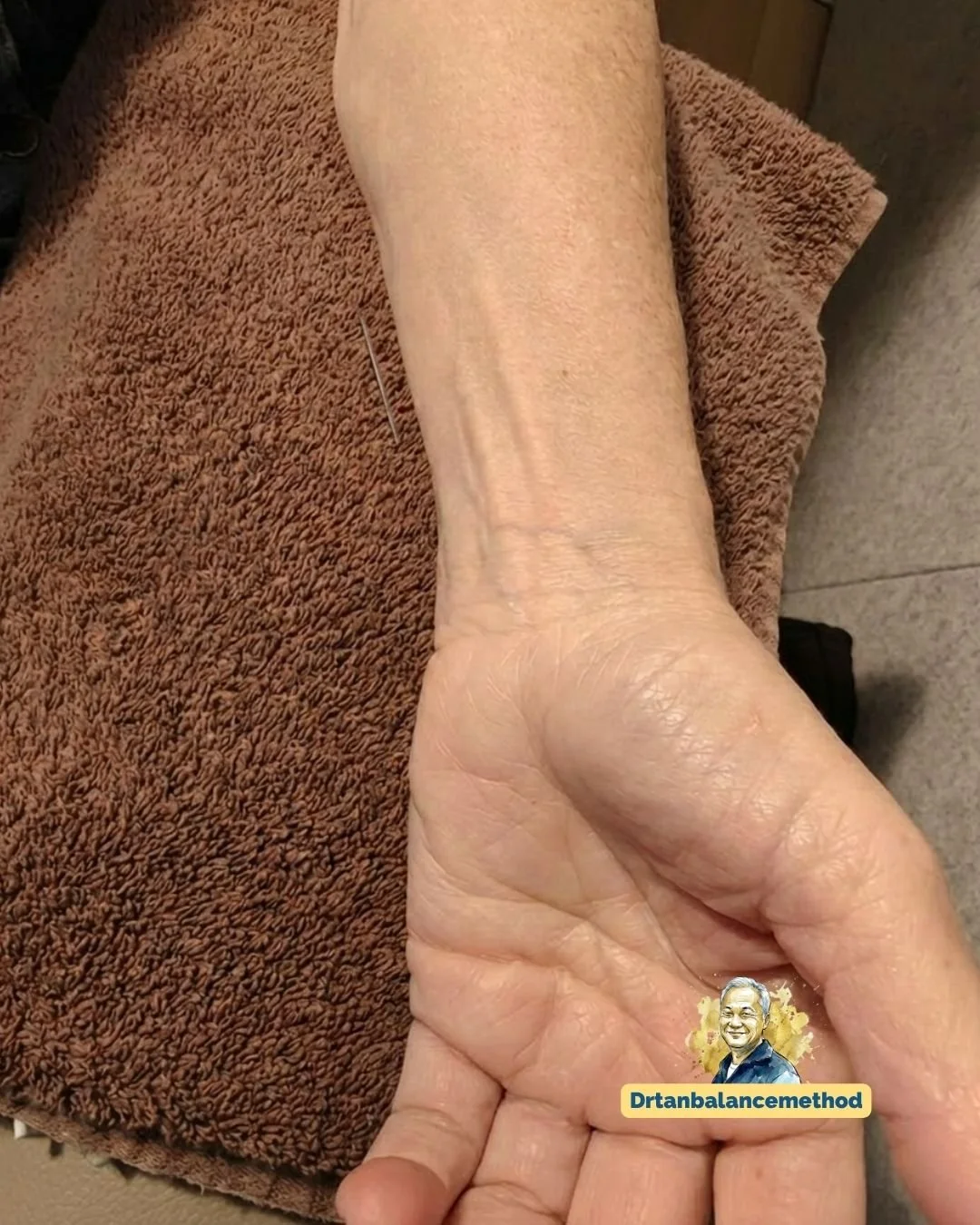

Where the case stands
This one is still unfolding, and we're sharing it that way on purpose. The plan is twice a week for the first four weeks, then once a week.
After the most recent sessions, she tells us she feels noticeably better in herself — physically fitter, with more energy than before. We're glad she's feeling that way, and we're also careful to keep it separate from the question she came with. How a patient feels and what a lab value does are two different things, and we don't read one from the other.
This isn't unfamiliar ground for us — it's a pattern we've turned to before, and it's served our patients well, which is part of why we were comfortable choosing it here. Even so, we stay measured. Her doctor repeats the bloodwork in two months, and that follow-up is the marker we're working toward — not a result we can claim today. We'll come back to it then.
The Insight: Function Is Another Door In
Pain is the obvious door into the Balance Method, but it isn't the only one. When a patient's concern is the function of an organ rather than something they feel, Meridian Conversion gives us a structured, repeatable way in. Same framework, different target.
It's also a reminder to stay honest about what we're doing. We're supporting the body's own regulating system and giving it room to work — not promising that a number on a lab report will move. The patient's sense of feeling better is real and worth noting; the bloodwork is a separate question with its own answer, and we let it speak for itself.
What to Watch For With Organ-Function Cases
1. There's no pain spot to chase here
When there's no pain, the instinct is to go looking for a spot to palpate anyway. The entry point is the function of the organ, not a location. Map the pattern around the organ, not a channel that isn't complaining.
2. Feeling better isn't the same as the number
A patient who feels fitter and more energetic is a good sign, but it isn't the same as the lab value moving. Feeling and lab values live in separate columns. Note the first as the patient's experience, and let the second answer on its own.
3. The number isn't ours to promise
It's tempting to reassure a worried patient with a confident prediction. We support the regulating system and let the follow-up bloodwork report what it reports. Confidence in the method is fine; claims about a specific lab outcome are not.
Apply This in Your Practice
Start from the function, not a location. When there's no pain to palpate, map the organ and the pattern around it rather than hunting for a channel to treat.
Reach for Meridian Conversion when the target is function. Standard balance tunes the pathway; conversion reaches the function behind it. That's the call this case turns on.
Keep wellbeing and lab values in separate columns. Record what the patient feels as their experience, and let the follow-up bloodwork answer the question it was ordered to answer.
Quick Reference: This Case
- No pain — kidney filtration flagged below 60 on routine bloodwork
- Organ function, not pathway → Global Balance, Shaoyin Taiyang (Heart, Small Intestine, Bladder, Kidney)
- Meridian Conversion III/VI → third line (Yao) and top line of each meridian
- Eight points: HT 3/7 · SI 3/8 · UB 65/40 · KI 3/10
- Plan: twice a week for four weeks, then once a week; bloodwork repeat in two months
- Felt improvement reported (fitter, more energy) — kept separate from the lab marker
Note: Patient details have been adapted from comparable cases in our clinic to protect privacy. This post is for educational purposes only — for acupuncturists and interested professionals. Not treatment advice or a substitute for professional consultation.
Want the Complete Reference?
Every System, Every Projection, Every Pattern at Your Treatment Table
The Balance Method Notebook gives you the complete Local and Global Balance reference. The new Meridian Conversion specialization goes deeper: master the tools to calm the Shen, balance hormones, and treat depression, addiction, and insomnia. Every pattern, every gua structure, every conversion — mapped and hand-drawn for the treatment table.
Explore the Notebooks →balancemethodnotebook.com
Next Steps
This case applies foundational concepts from our pillar guides. To go deeper:
For the method behind this case: Meridian Conversion explained
For Local vs Global decisions: Global vs Local Balance
For the six systems framework: The 6 Systems explained
For the complete matrix reference: Balance Method Matrix
To discuss cases with colleagues worldwide: Practitioner Community
New to the terminology? See the Balance Method Glossary for every core term in one place.
